

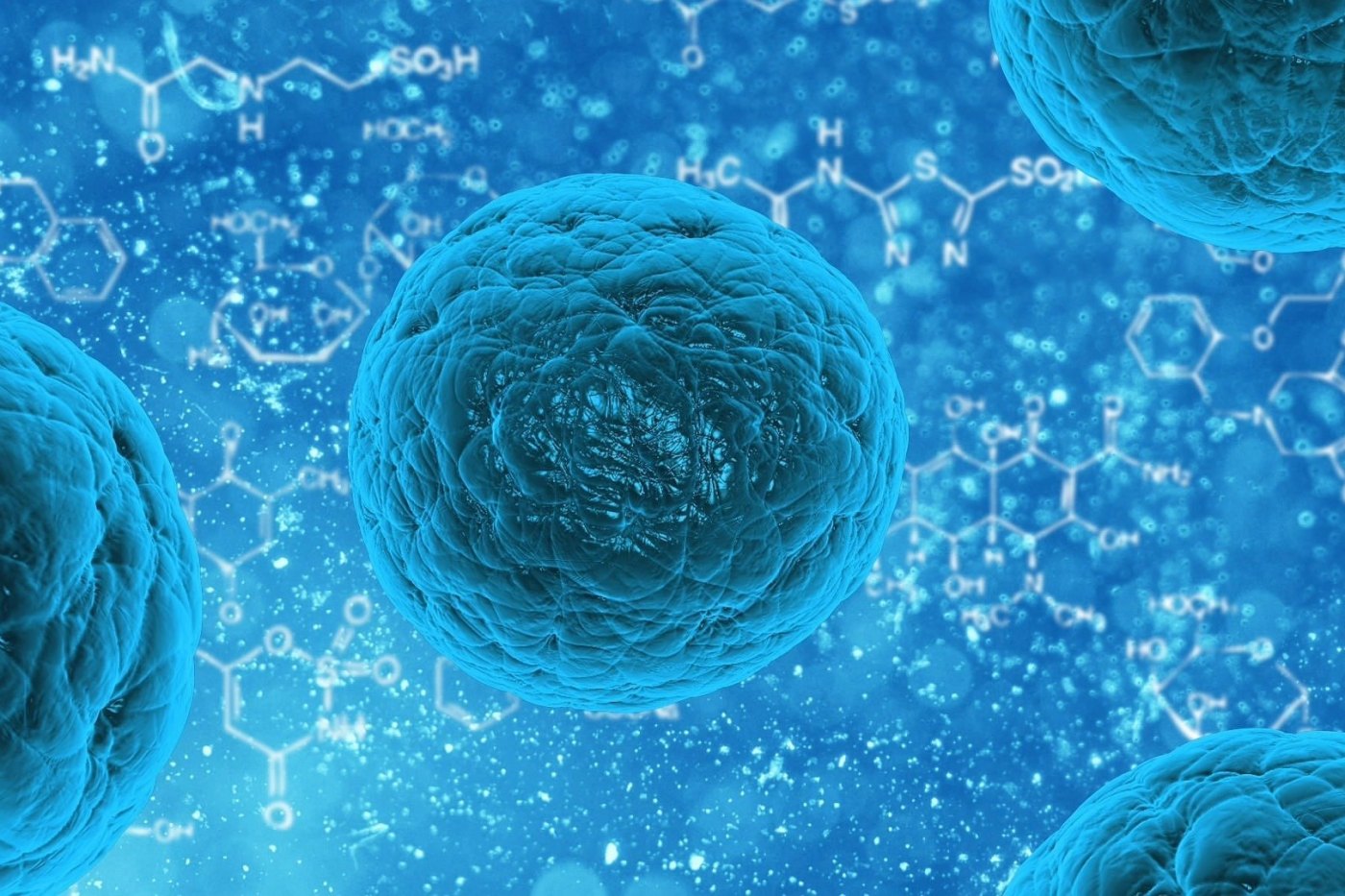
Most headlines about a new virus are bad news. This one is different. In October, the biotech company Radical Numerics said it had carried out what it calls the first time AI-designed viruses have been given to a patient fighting an antibiotic-resistant infection. The viruses in question are bacteriophages — “phages” for short — natural predators that hunt bacteria rather than human cells. Instead of searching nature for a phage that happens to match the germ making someone sick, the team used an AI model called Omnii to help design one. Radical Numerics says the project was run jointly with a second biotechnology firm, Tabula Bioscience, which steered the wider effort.
Why doctors are hunting for antibiotic alternatives
For decades, antibiotics handled everything from strep throat to bacterial pneumonia. “They were called the magic bullet,” said Sudhakaran Prabakaran, a biotechnology professor at Northeastern University who uses AI to study genomes. But bacteria evolve, and many have learned to survive the drugs. The U.S. Centers for Disease Control and Prevention counts more than 9.3 million drug-resistant infections in the country every year. Radical Numerics warns that antibiotic resistance could be linked to nearly 40 million deaths between 2025 and 2050.
Phages offer a different line of attack. The catch has always been specificity: a phage usually infects only certain bacterial strains, so clinicians must find one that matches the exact strain attacking the patient.
How AI helps build a better phage
Every bacterial strain carries its own molecular equipment — proteins encoded by stretches of DNA called genes. To invade, a phage needs matching gear of its own, including protein “legs” that let it grip the bacterial surface, Prabakaran explained. Change the genes that encode those legs, and you can change what the virus can latch onto. Once the phage injects its DNA, it hijacks the bacterium's machinery to churn out copies of itself.
Predicting which genetic tweaks produce a working grip is extremely hard, and that is where the model comes in. DNA is a chain of chemical units called nucleotides, which come in four types. By comparing huge numbers of sequences, an AI model learns which combinations typically appear together. Hand it a sequence with a gap, Prabakaran said, and it can offer an educated guess about what is missing. Designers keep the parts of the phage that already work and ask the model to redesign the anchoring region — a bit like writing a prompt. Out come several candidates to test at the bench.
“Maybe two of those options result in a viable organism,” he said. “And one of them can actually kill the bacteria.”
What is — and isn't — known about the patient
Radical Numerics has not disclosed how the designed phage was given to the patient. Phage therapy in general is tailored case by case: doses are often repeated, and the viruses may be delivered intravenously, applied to a wound, or inhaled.
Important caveats remain. The treatment has not completed clinical trials and has no U.S. Food and Drug Administration approval, although the agency can authorize experimental therapies case by case for patients who have run out of other options. Crucially, the company's report has not been peer reviewed, and the patient's outcome is unknown; the report cited privacy concerns.
Promise, and unanswered safety questions
Prabakaran described himself as “cautiously optimistic,” while noting that synthetic organisms can behave unpredictably. “We're creating viruses to kill bacteria. But what happens when they evolve in such a way that they go out of our control?” he asked. Each round of viral copying introduces mutations that could, over time, erode built-in safeguards meant to protect the patient.
Alexander Sulakvelidze, president and chief executive of the Maryland phage company Intralytix, welcomed the work but raised broader worries about AI-driven biological design: predictions that cannot be trusted, unintended effects, and the chance that the technology is misused to create “harmful biological agents.” Human oversight, he said, remains essential. “AI should complement, rather than replace, scientific expertise and laboratory testing,” he said. He also sees upside: precision phages could spare the helpful bacteria that broad antibiotics wipe out, making treatment “less disruptive to the patient's normal microbiome.”
Minmin Yen, co-founder and chief executive of Boston startup PhagePro, argued the reach could go beyond individuals: “Tailored phages also have exceptional potential for addressing the global burden of diseases such as cholera.”
Regulation is another open front. If every patient needs a slightly different virus, would the FDA have to approve each one? “All of these questions are open,” Prabakaran said.
Sources: Medical Xpress. Image: Pixabay/CC0 Public Domain.


Comments
Please login to leave a comment Sign in