

When an injury tears away a large chunk of muscle, the body usually cannot rebuild it. What grows back instead is often scar tissue, leaving permanent weakness. Now a research team led by Carnegie Mellon University and the University of Pittsburgh reports that a small implanted electrode, delivering electrical pulses during the first days after injury, helped badly damaged muscle in animals regain close to its original strength. The early-stage work, published in the journal Acta Biomaterialia, points to a window for treatment that scientists had struggled to reach.
A wound the body cannot fix on its own
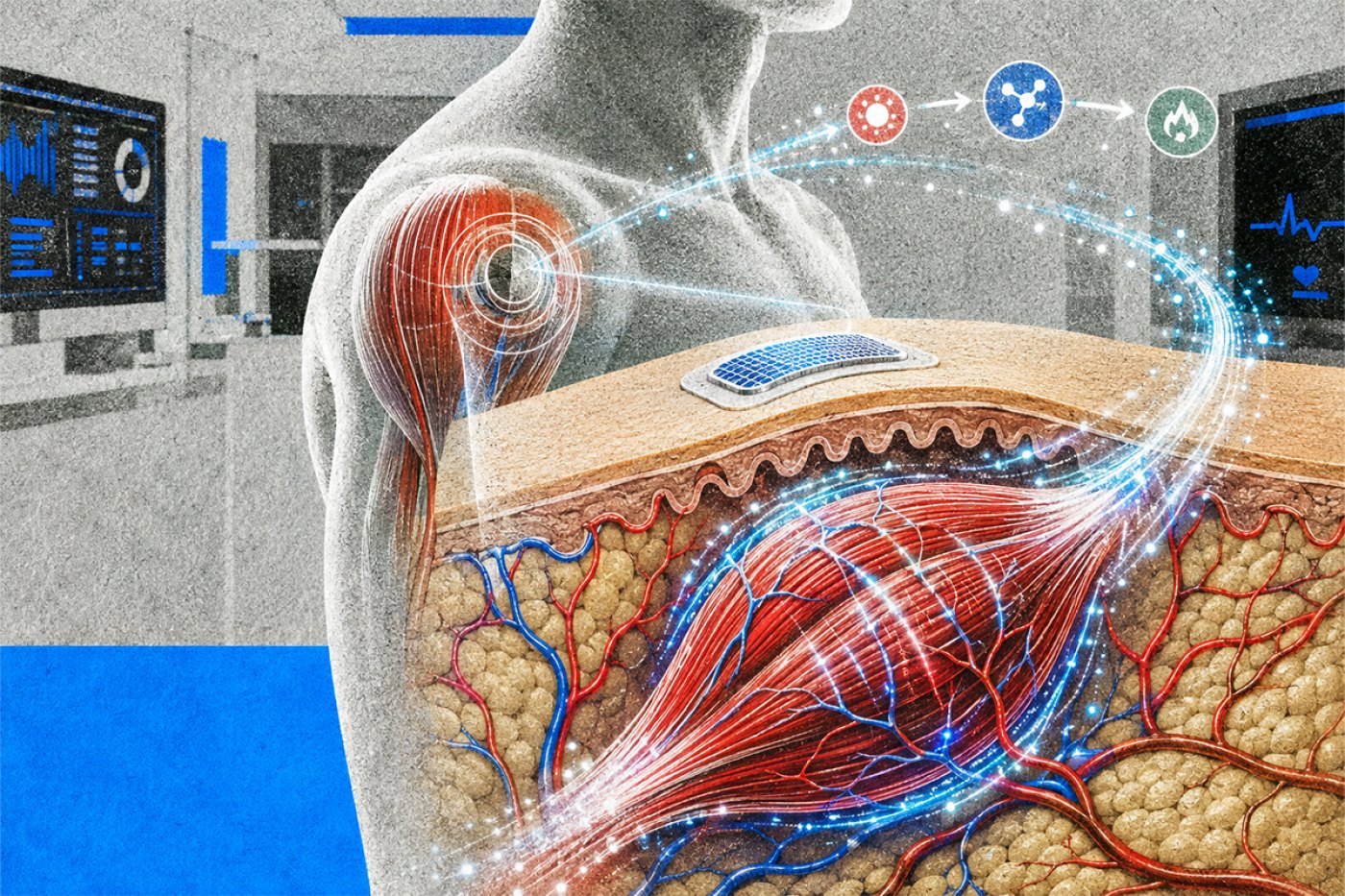
The condition is called volumetric muscle loss, or VML. It happens when so much tissue is lost that the muscle cannot regenerate by itself. Causes include battlefield wounds, gunshots, surgery to remove tissue and severe open fractures. Patients typically face chronic inflammation, scarring and permanent weakness. According to the researchers, today's treatments mainly ease symptoms, and none reliably brings back the missing muscle.
Electrical stimulation has long been known to help muscle mature and to activate nerves. The problem has been timing. Stimulating injured muscle in the earliest days of healing normally required general anesthesia for every session. That made frequent treatment impractical just when it might matter most.
A bigger surface in the same small wire
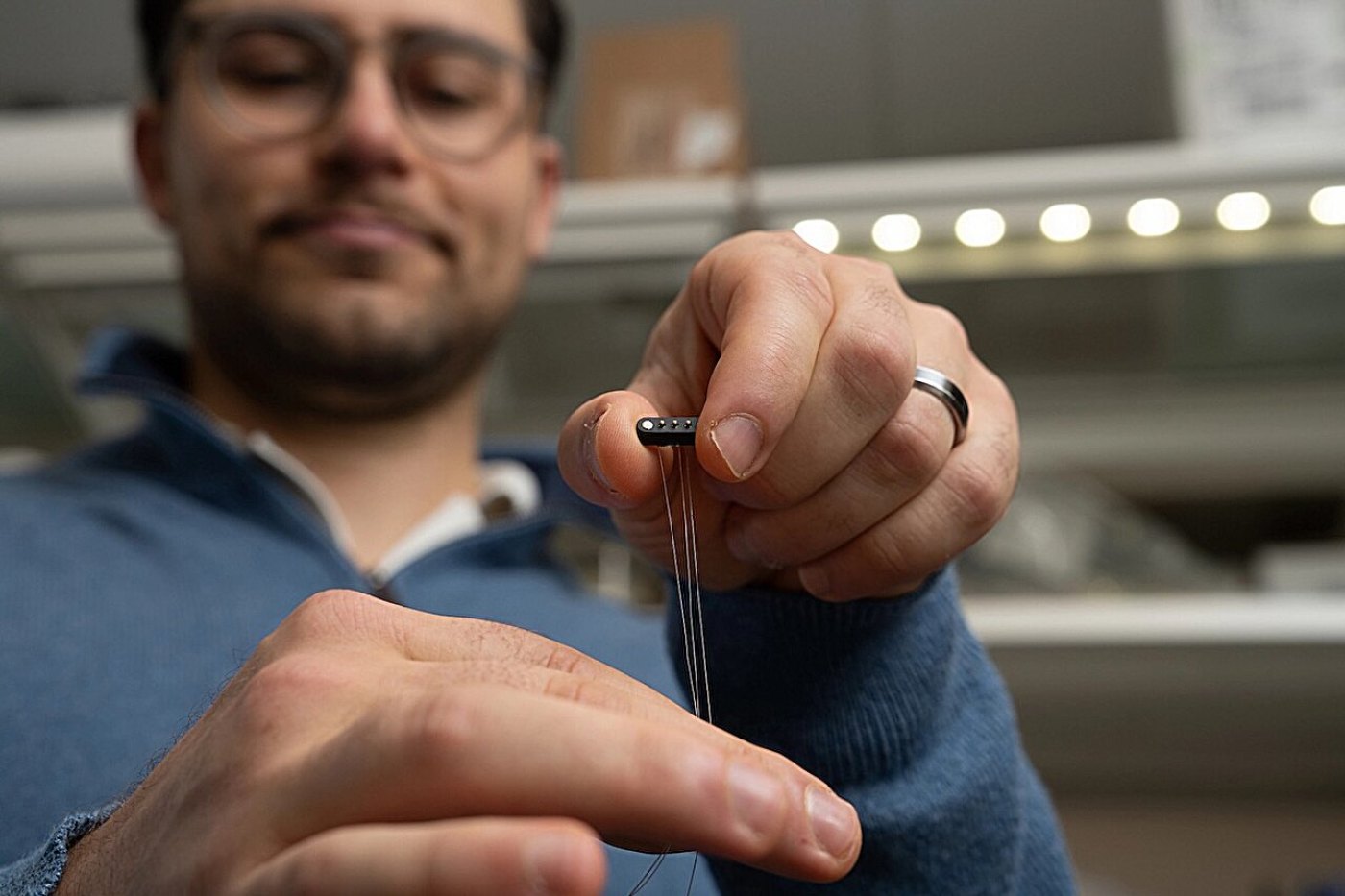
To get around this, the team redesigned the electrode itself. They started with multistranded stainless-steel wires and coated them with platinum riddled with nanoscale pores. They used a process called electrodeposition, in which metal is laid down from a solution with the help of an electric current. The result was a three-dimensional, sponge-like coating that expanded the area where electrical charge can pass into the tissue, without making the electrode any larger.
Thanks to that added surface, each pulse can safely deliver more charge than an uncoated steel wire could. This, the researchers say, is what made stimulation feasible from the very first days after injury. The electrodes were placed directly inside the injured muscle and kept working throughout the full eight-week study. Their impedance, a measure of how much the electrode resists the flow of current, rose only modestly. That suggests the device was not worn down by either the healing tissue or the repeated stimulation.
Stronger muscles, rebuilt from within
Once implanted, the electrodes delivered one-hour stimulation sessions every day for two weeks after injury, while the animals were awake and moving freely. Over the eight-week evaluation, animals that received stimulation recovered 90% of their baseline torque, the twisting force a muscle produces. Untreated animals leveled off at 71% of their pre-injury strength.
Importantly, the team's analysis showed that the improvement came from genuine structural rebuilding within the injured muscle, rather than from nearby healthy muscles growing larger to compensate.
"These results demonstrate that early bioelectronic intervention can steer injured tissue toward repair rather than scarring," said Tzahi Cohen-Karni, a professor of materials science and engineering and biomedical engineering at Carnegie Mellon. He co-led the project with Bryan Brown, a professor of bioengineering at the University of Pittsburgh.
What comes next
The study is part of several years of collaborative work under an initiative called REPAIR, short for Regenerative Electronic Platform through Advanced Intelligent Regulation. The results reported so far come from experiments in animals.
The researchers see the work as groundwork for future devices. By showing that the period right after injury is a usable treatment window, they suggest early electrical stimulation could be combined with engineered tissue scaffolds, conductive hydrogels (water-rich gels that can conduct electricity) and regenerative cell therapies.
"We hope these findings inspire future efforts to incorporate early electrical stimulation into integrated devices that support complex wound healing and traumatic muscle recovery," said Sam Gershanok, a postdoctoral researcher at Carnegie Mellon who led the publication.
Sources: Medical Xpress; Acta Biomaterialia (original study). Image: Carnegie Mellon University College of Engineering.

Comments
Please login to leave a comment Sign in