

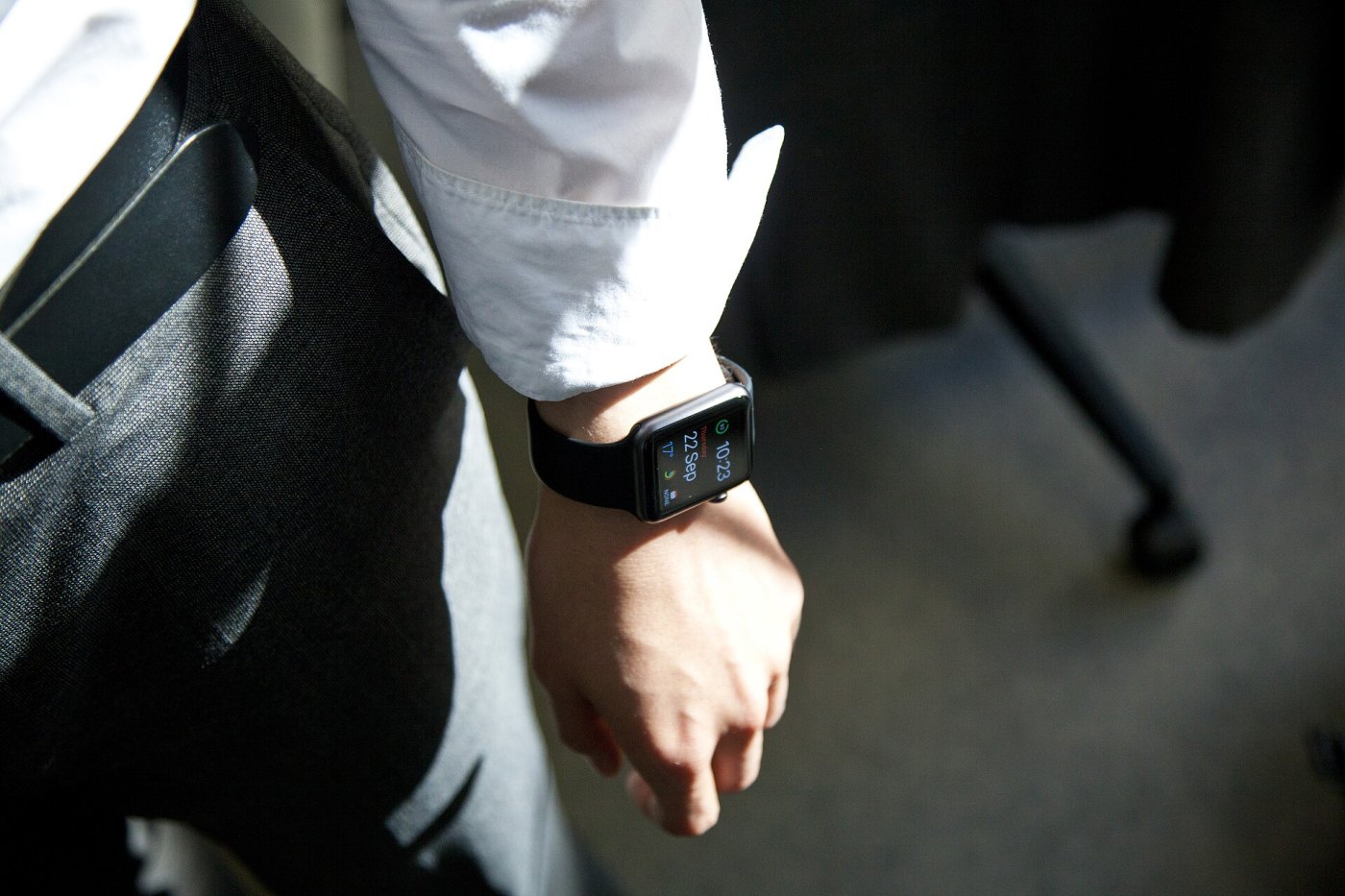
Turn over a modern smartwatch and you will see small green lights flickering against the skin. Every time your heart beats, a wave of blood swells the tiny vessels in your wrist, and the blood absorbs a little more of that green light. A sensor next to the lights measures the reflected glow many times a second, and from those tiny changes the watch works out your pulse. Hundreds of millions of people now wear such devices. They count steps, track sleep and measure heart rate around the clock, producing a stream of data that doctors could only dream of a generation ago. The big question is whether that stream can warn us of disease before we feel ill.
What is a digital biomarker?
A biomarker is a measurable sign of what is happening in the body, such as blood pressure, a cholesterol level or the amount of sugar in the blood. A digital biomarker is one collected by a digital device, often continuously and outside the clinic. Examples include resting heart rate, heart rate variability (the small natural changes in the time between beats), daily step counts, sleep patterns, walking speed and even the way a person types or speaks.
Most of these come from a few simple sensors. The green-light method described above is called photoplethysmography, or PPG. An accelerometer detects movement in three directions, which reveals steps, sleep and tremors. Some watches add electrical sensors that record a basic electrocardiogram (ECG), a trace of the heart's electrical activity, when the wearer touches the watch with a finger. The raw readings mean little on their own. The value comes from software, increasingly based on machine learning, that searches for patterns across days and weeks.
Catching an irregular heartbeat
The clearest success so far concerns atrial fibrillation, a common heart rhythm problem in which the upper chambers of the heart quiver instead of beating in a steady rhythm. It often causes no symptoms, yet it raises the risk of stroke, and treatment can lower that risk. Finding it early is therefore valuable.
In the Apple Heart Study, led by researchers at Stanford University and published in 2019, 419,297 people allowed their watch to monitor their pulse rhythm. Over a median of about four months, only 0.52% received a warning of an irregular pulse. Those who did were sent an ECG patch to wear for up to a week. Atrial fibrillation showed up on the patch in 34% of them, and when the watch flagged an irregular pulse while the patch was being worn, the patch confirmed atrial fibrillation 84% of the time. The Fitbit Heart Study, with 455,699 participants, published in 2022, found similar results: about 1% of people received an alert, and when an alert occurred during patch monitoring, it matched atrial fibrillation 98% of the time.
These studies showed that a watch can pick out people likely to have a hidden heart rhythm problem. They did not show that such alerts prevent strokes or save lives, which is a harder question that newer trials are trying to answer.
Early warnings of infection and beyond
Wearables can also spot changes that come before symptoms. During the COVID-19 pandemic, a team led by Michael Snyder at Stanford analysed smartwatch data from 32 people with COVID-19, drawn from nearly 5,300 volunteers. In 26 of them (81%), resting heart rate, daily steps or sleep time changed around the time of infection, and in some people these changes appeared days before they felt ill. A rising resting heart rate compared with a person's own normal level was one of the most useful signals.
Researchers are also exploring signs of slower diseases. In 2023, scientists at Cardiff University analysed data from UK Biobank, a large British health study in which tens of thousands of volunteers had worn a research-grade movement sensor on the wrist for one week. Patterns in their movement helped identify people who were later diagnosed with Parkinson's disease, in some cases up to 7 years before diagnosis, and did so better than models based on genetics, lifestyle or blood tests. This is an early research finding, not a test anyone can use today.
Other projects look at sleep apnoea, in which breathing repeatedly stops during sleep, at blood oxygen levels, and at changes in walking, voice or typing that may accompany depression, dementia or other conditions. Many of these ideas are promising, but most have not yet been proven in large studies.
The catch: accuracy, alarms and privacy
Wearable data come with important limitations:
- False alarms and missed cases. No algorithm is perfect. A false alarm can cause anxiety and lead to unnecessary tests, while a reassuring reading can make someone ignore real symptoms.
- Accuracy in daily life. Light-based sensors work less well when the wearer is moving, and researchers continue to check whether they work equally well across different skin tones and body types.
- Who wears them. Smartwatches are expensive and are worn more often by younger, healthier people. In the Apple Heart Study, only about 6% of participants were 65 or older, even though atrial fibrillation is most common in older people.
- Privacy. Heart rate, sleep and location data are deeply personal. It matters who stores them, who can see them and whether they might be sold or shared.
It also helps to remember that most features on consumer watches are designed for general wellness. Only some, such as certain ECG and irregular rhythm features, have been reviewed by medical regulators for specific uses.
What it means for you
A smartwatch is not a doctor, and it cannot diagnose disease on its own. It can be a useful early prompt: if your device repeatedly reports an irregular rhythm, an unusually high resting heart rate or other worrying changes, take that information to a doctor, who can arrange proper tests. Equally, a normal reading is not a reason to ignore chest pain, breathlessness, fainting or other symptoms.
The biggest open questions are not technical but medical. Scientists still need large trials to show which digital biomarkers actually improve people's health, rather than simply producing more data and more worry. If they succeed, the device on your wrist could become a quiet early-warning system, one heartbeat at a time.
Sources: New England Journal of Medicine (2019), Perez et al.: Large-scale assessment of a smartwatch to identify atrial fibrillation (Apple Heart Study); Circulation (2022), Lubitz et al.: Detection of atrial fibrillation in a large population using wearable devices, the Fitbit Heart Study; Nature Biomedical Engineering (2020), Mishra et al.: Pre-symptomatic detection of COVID-19 from smartwatch data; Nature Medicine (2023), Schalkamp et al.: Wearable movement-tracking data identify Parkinson's disease years before clinical diagnosis. Image: Tyler Hendy / Wikimedia Commons (CC0).


Comments
Please login to leave a comment Sign in