

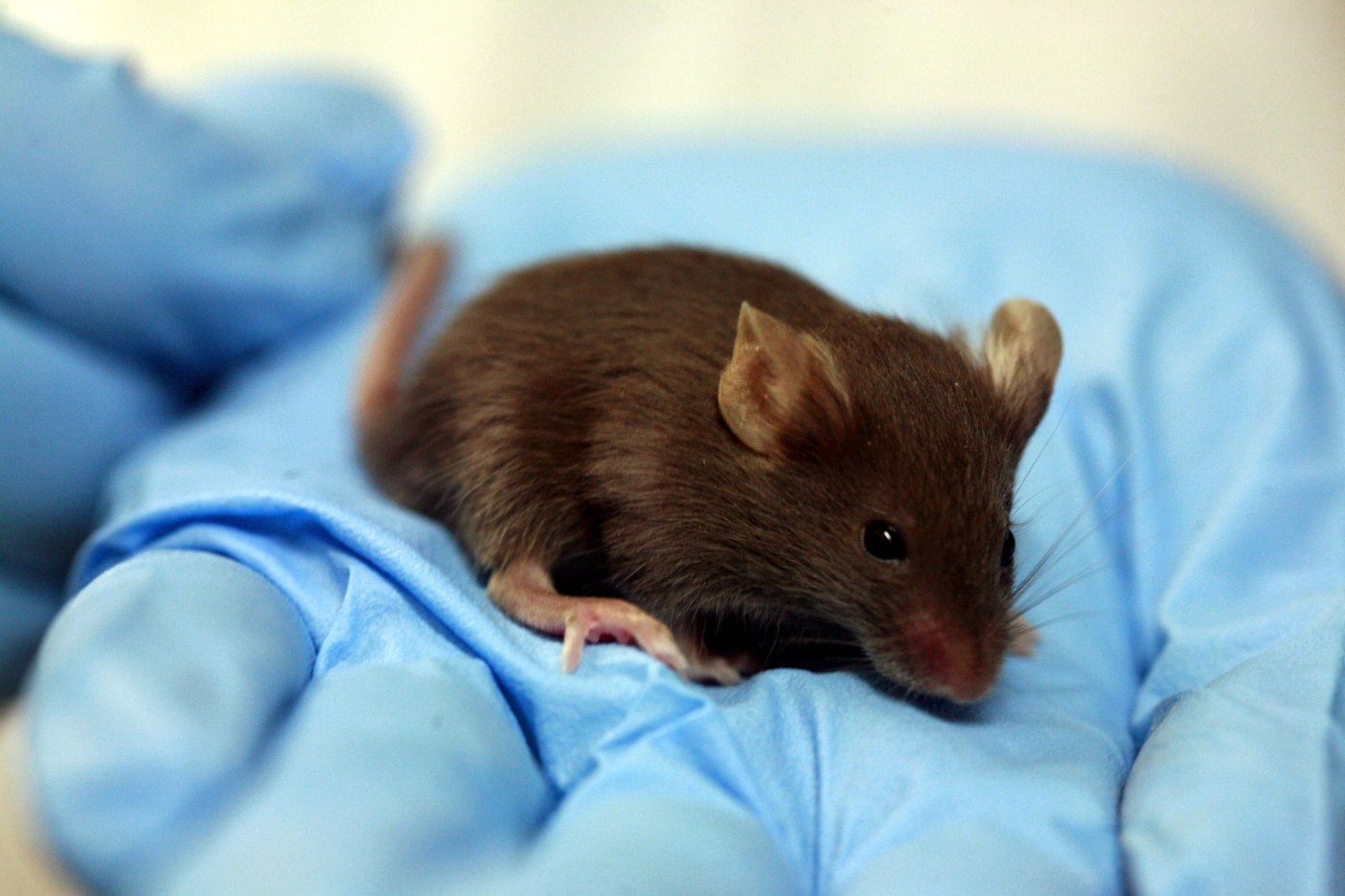
About half the lab mouse samples tested from a major US repository did not match the genetic makeup their strain names describe, and only about one in five was exactly what its label said.
Mice are the workhorse of biomedical research. If a strain carries hidden genetic differences, two labs that think they are testing the same animal can get conflicting results, and findings about drugs or diseases may fail to hold up.
A team led by geneticist Fernando Pardo-Manuel de Villena at the University of North Carolina School of Medicine genotyped 611 samples from 341 strains held by the Mutant Mouse Resource and Research Centers, a network funded by the US National Institutes of Health that stores mice and ships them to scientists. Using a DNA test called MiniMUGA, they compared each sample's actual genome with what its official name implied.
The engineered mutation that defines each model was usually there, and many problems were minor. But the team found substrains other than those listed, strains filed under the wrong type and unlisted pieces of foreign DNA. These included genes for fluorescent proteins and for Cre recombinase, an enzyme widely used to switch genes on or off, which could skew experiments if researchers do not know they are present.
“This is a big deal. When your research lacks rigor, you lose confidence in your results,” says Pardo-Manuel de Villena. The work was published in Science on 14 May.
The survey covered a single US resource, so it is unclear whether mice kept elsewhere, including colonies bred inside individual labs, are in better or worse shape. Experts commenting for Spain's Science Media Centre also pointed out that the study shows mismatches exist but does not prove they caused faulty experiments, and that routine testing adds cost.
The authors call for standard genetic quality control coordinated by repositories, journals and funders. The UNC branch of the repository has launched a reporting system that checks the genetic identity of its mouse models and makes the reports available to researchers.
Sources: UNC School of Medicine; Science (original study). Image: Rama/Wikimedia Commons (CC BY-SA 2.0 FR).



Comments
Please login to leave a comment Sign in