

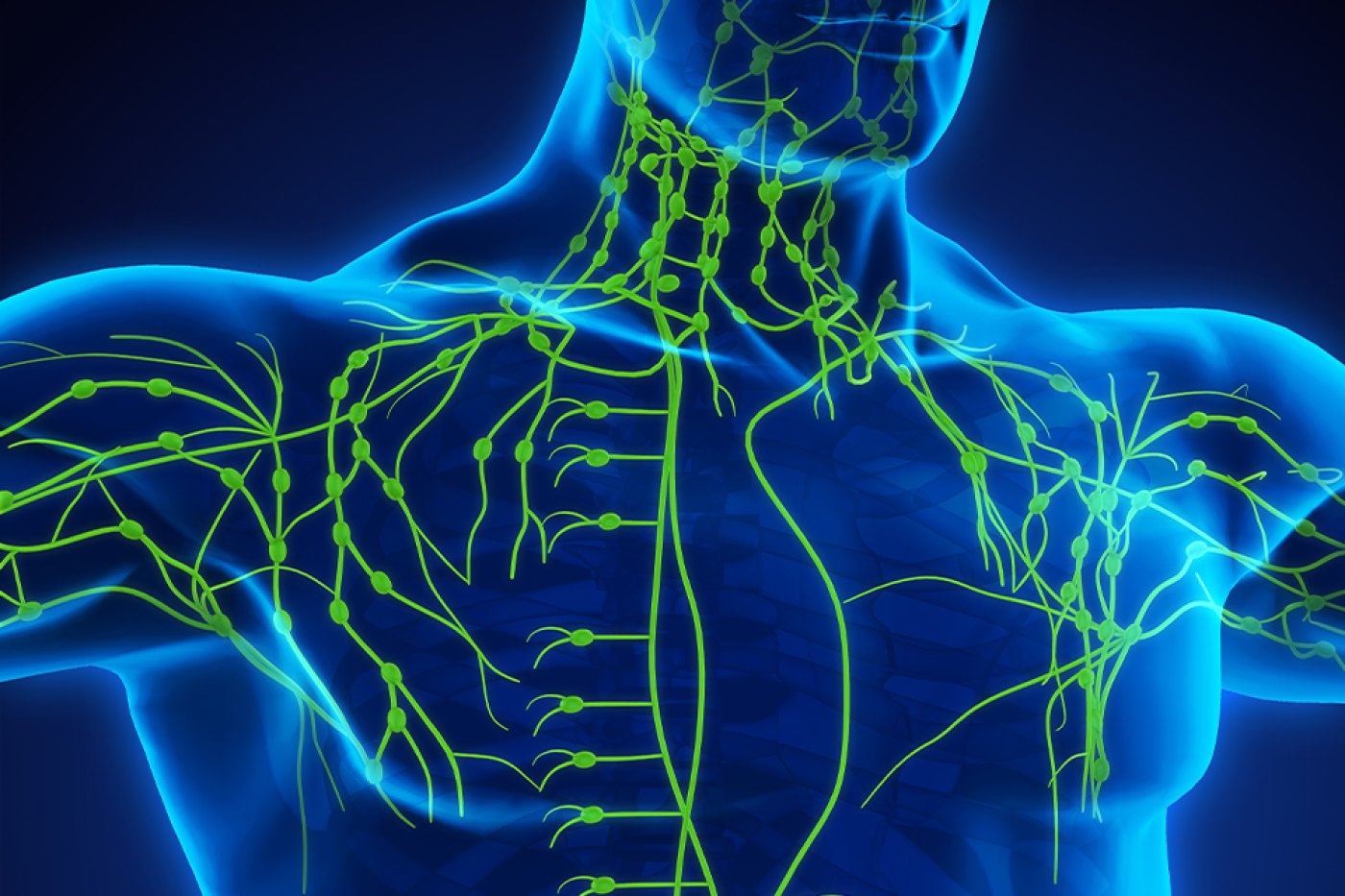
People whose neck lymph nodes are removed during cancer surgery develop cognitive problems more often than expected, and animal work suggests blocked drainage of fluid from the brain is to blame, researchers report in Neuron.
The brain relies on lymphatic vessels in the neck to carry away waste in its fluid. If surgery cuts that route, it could add a hidden cost to a common cancer operation, and point to ways of avoiding it.
The team, with Laura Santambrogio of Weill Cornell Medicine as senior author and Cristina Clement and Zohaib Khan as co-first authors, reviewed records of 1,035 people at Montefiore Einstein in New York who had cervical lymphadenectomy, removal of neck lymph nodes to stop head and neck cancer spreading, without chemotherapy or radiotherapy. Within two years, about 18% of those younger than 65 had developed cognitive impairment, against an expected 4% to 6% in that age group. Among older patients the figure was 25%, compared with 10% to 22% in the general population.
Shrinking brains and sticky proteins
A second group of 59 patients at the Technical University of Munich had brain scans before and after surgery. Afterward, fluid-filled spaces deep in the brain widened faster than normal, a sign of brain shrinkage, especially when nodes were taken from both sides of the neck. In animals whose brain drainage was suddenly cut off, brain cells showed oxidative stress, a type of chemical damage, along with more inflammation proteins and clumps of synapsin, a protein that helps neurons pass signals.
"Your body produces lymphatic fluid to wash away waste from every organ, including the brain," says Santambrogio.
The human data come from past records and show an association, not proof that the surgery causes the decline. The protein clumps also differed from the amyloid plaques and tau tangles of Alzheimer's disease.
The team now plans a study that follows patients forward in time from their operation. Surgeons are also exploring lymph node transplants from elsewhere in the body, which might restore drainage in people at risk.
Sources: Weill Cornell Medicine (Cornell Chronicle); Neuron (original study). Image: Weill Cornell Medicine.

Comments
Please login to leave a comment Sign in