

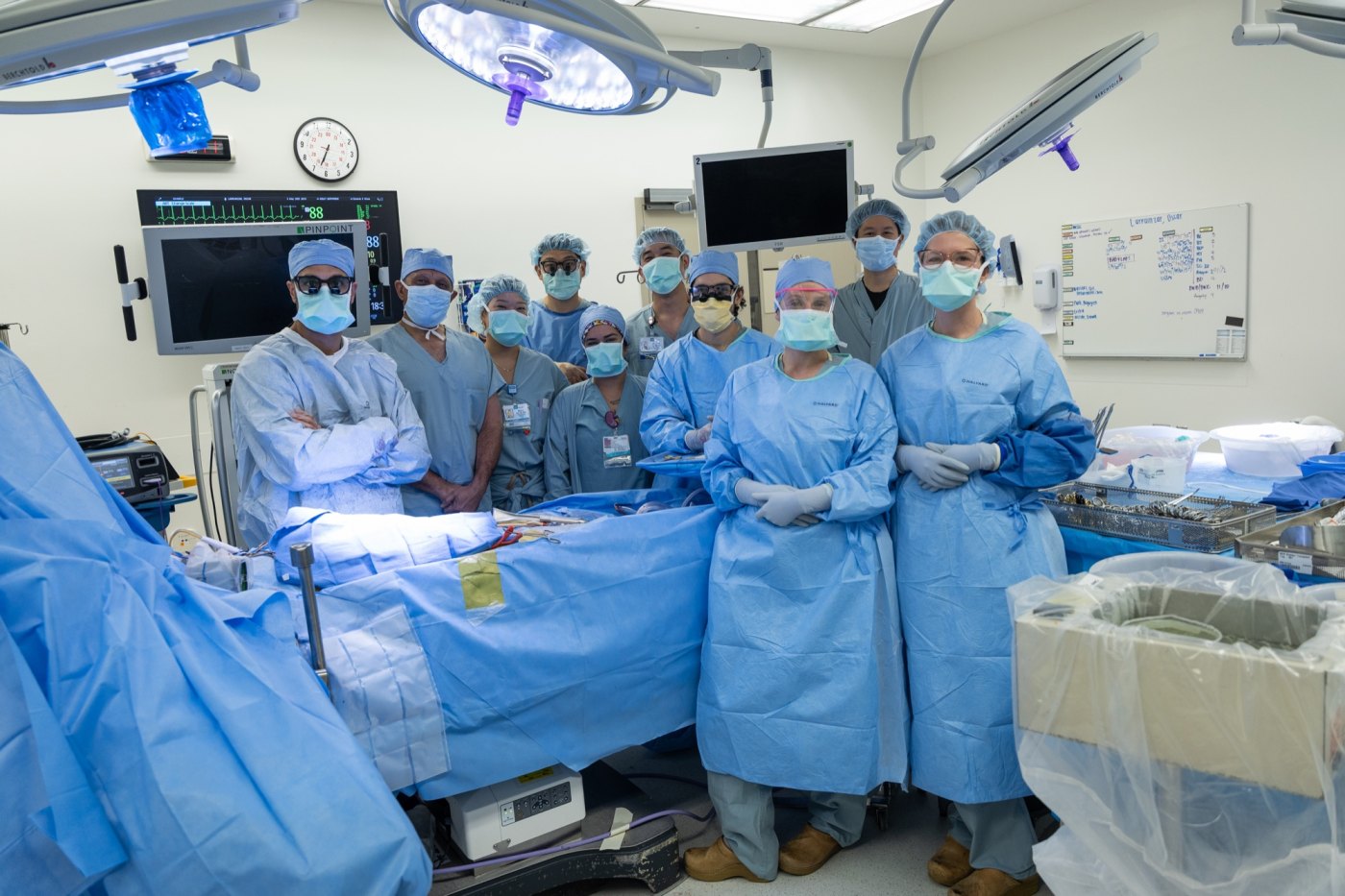
A year after receiving the world's first bladder transplant, the patient is urinating on his own and working again, and biopsies through six months found no sign of rejection, surgeons report in The Lancet.
Bladders had never been transplanted into a living person before. Until now, people whose bladders were removed or destroyed had to rely on a pouch built from a piece of their own intestine, which brings its own infections and other problems.
A bladder and a kidney at once
Oscar Larrainzar, 41 at the time and a cancer survivor, had been on dialysis for seven years and had gone that long without a working bladder. In May 2025 at UCLA, a team led by urologic transplant surgeon Nima Nassiri gave him a kidney and a bladder from the same deceased donor in one operation, an approach Nassiri developed with his mentor Inderbir Gill at the University of Southern California.
Thirty days on, the new bladder held 270 ml, past the 200 ml the team had set as success. By six months it held 600 ml, roughly a normal adult capacity, and Larrainzar could feel the urge to go, empty his bladder on his own and stay dry between visits. Kidney filtration measured about 52 to 55 ml per minute. Biopsies through day 180 found no rejection.
"I never imagined I'd be going back to having just a normal life," Larrainzar says.
Not every case has gone this way
This is a phase 0 feasibility trial with one reported patient and short follow-up, and it was not trouble free: on day 25 urine leaked from a drainage tube through the abdominal wall, causing an infection that needed a second operation. In a second patient, operated on in February 2026, the transplanted bladder had to be removed, though the kidney kept working. A third patient is about two months out and urinating without a catheter.
"We learn from each procedure," says Nassiri, who has identified patients for two more bladder transplants this year. Future operations may leave out the drainage tube that caused the first patient's leak.
Sources: UCLA Health; The Lancet (original study). Image: Nick Carranza/UCLA Health.

Comments
Please login to leave a comment Sign in