

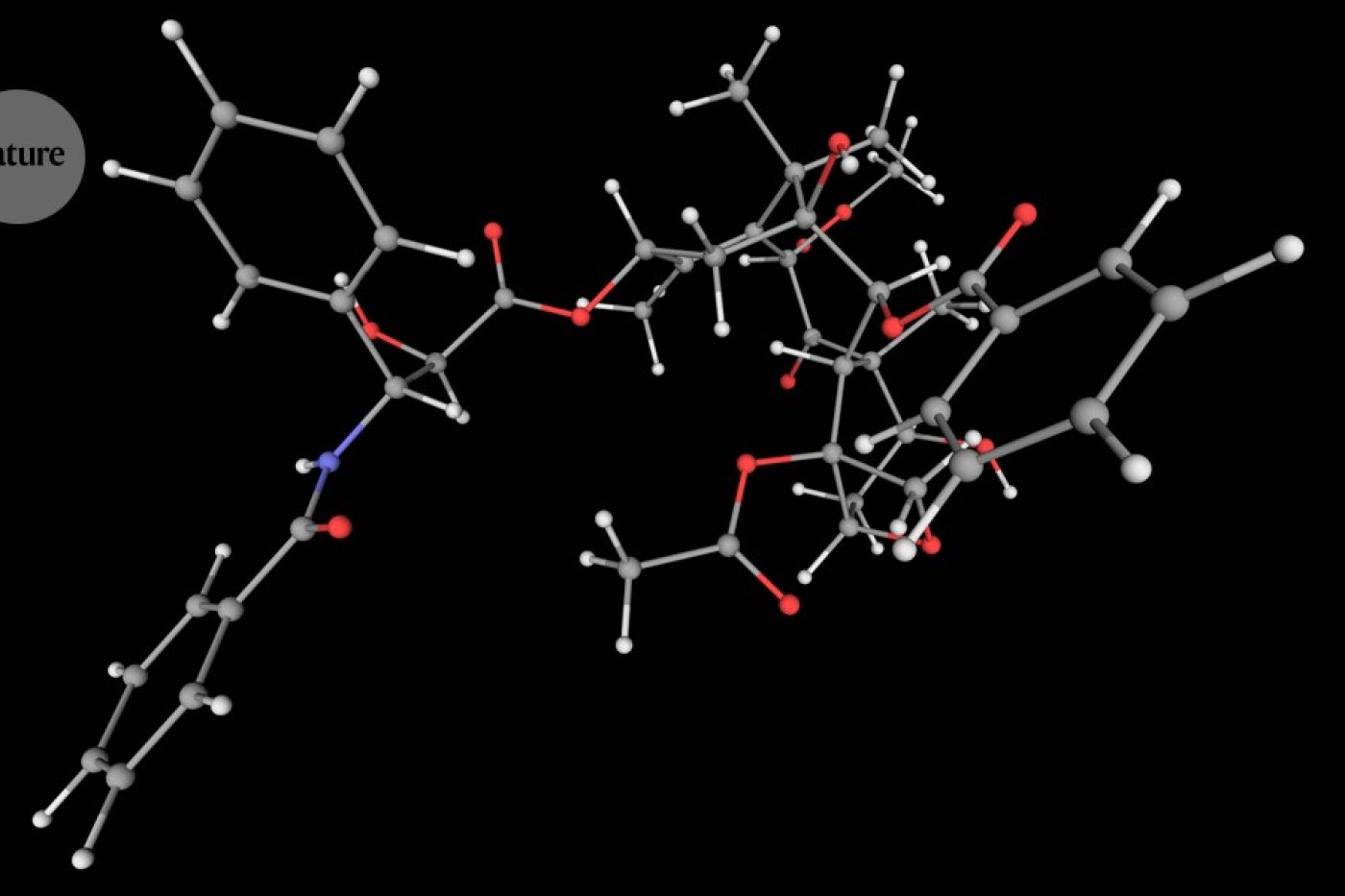
A tobacco plant has been turned into a small living drug factory. Scientists report that they modified a type of tobacco so that it makes paclitaxel, a chemotherapy medicine marketed as Taxol. Doctors use paclitaxel against a range of tumours, among them breast and lung cancers. The team says the work could eventually open the way to a more sustainable method of producing the treatment.
A familiar drug, a new source
Paclitaxel is a long-established cancer medicine. The new work does not change the drug itself or how it is given to patients. What is new is where it comes from: the researchers altered a tobacco plant so that the plant itself produces the compound. The study, led by F. Liang and colleagues, appears in the journal Nature Chemical Biology.
What it means to engineer a plant
In broad terms, getting a plant to make a new chemical means giving it extra genetic instructions. Plant cells routinely build complex molecules through chains of reactions. Each step in those chains is carried out by a protein called an enzyme. With the right set of instructions, a plant can in principle be coaxed into running a chemical production line it would not otherwise run. The brief report of this study says the modified tobacco plant produced paclitaxel.
Why sustainability matters
The main benefit the researchers point to is more sustainable production. Drugs used against common cancers are needed in large, reliable quantities, so any new way of making them could be valuable. For now, this is a possibility rather than a proven result. The report says the approach could lead to more sustainable manufacturing, which signals an early step rather than a working production system.
Questions still to answer
The short news report leaves several key points unaddressed. It does not say:
- how much paclitaxel the plants make
- whether the yields would be commercially useful
- how the drug would be extracted and purified from plant tissue
- how plant-made paclitaxel compares with the drug as it is made today
- how long it might take before the method could be used outside the laboratory
Those details will decide whether engineered plants become a real source of the medicine. Any drug meant for patients must meet strict standards of purity and consistency. A new production route would have to meet those standards before it could be adopted.
A glimpse of what plants can do
Even with those open questions, the result shows how knowledge of the chemistry inside living cells can be put to practical use. It suggests that a redesigned plant might one day help supply an important cancer medicine.
Sources: www.nature.com; Nature Chemical Biology (original study). Image: Laguna Design / SPL.

Comments
Please login to leave a comment Sign in