

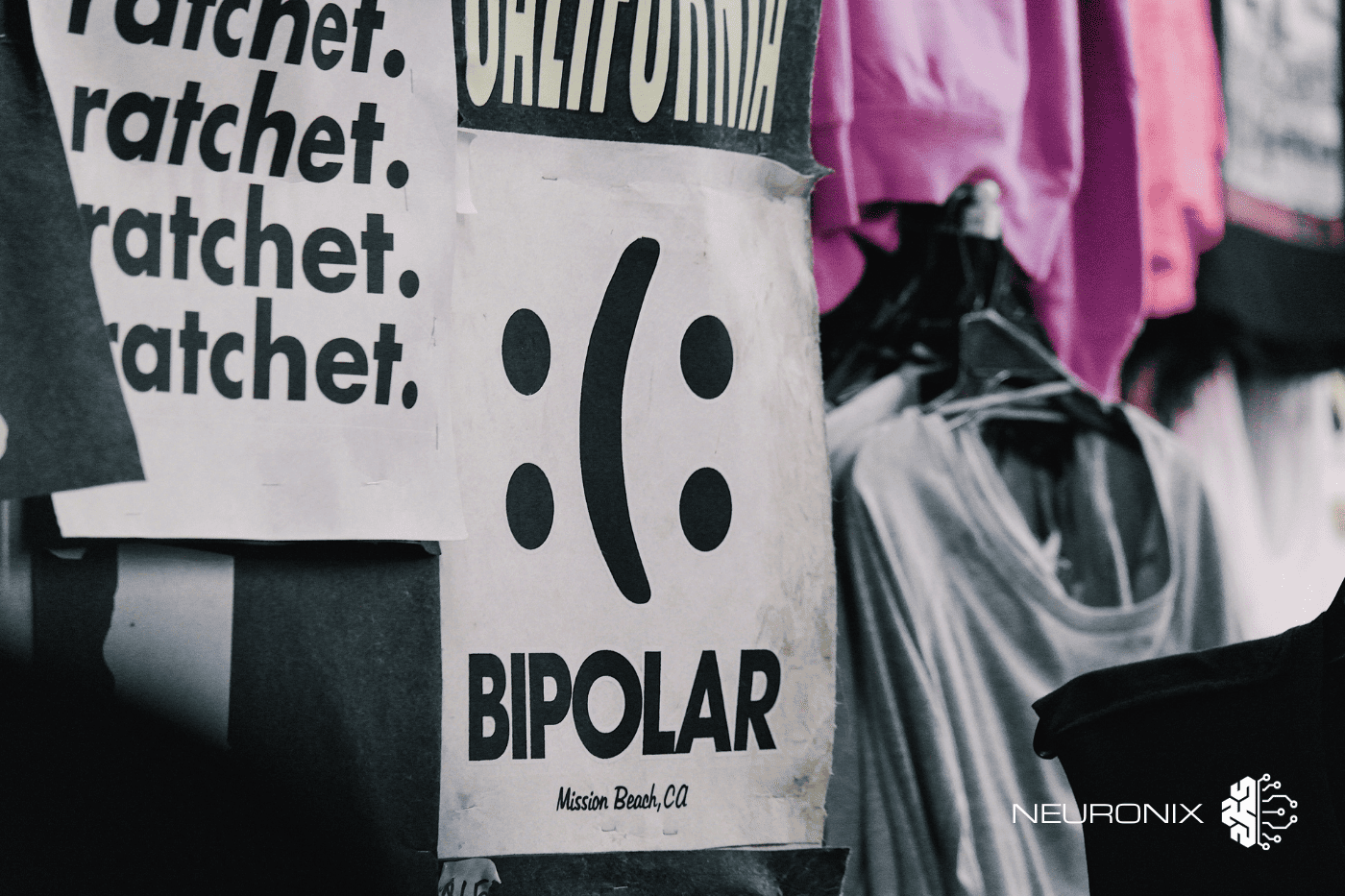
Bipolar Disorder: Light and Darkness in the Same Room
Imagine sitting in a room with a single lamp that flickers on and off. At one moment, the light shines brightly, filling the room with energy, and in the next, the room is consumed by darkness. This image reflects what happens in the brain of someone living with bipolar disorder. The condition is marked by cycles of emotional highs and deep lows, creating unique challenges that affect mental health, relationships, and daily life.
What Is Bipolar Disorder?
Bipolar disorder is a severe, recurrent mood disorder characterized by dramatic fluctuations in mood, energy, and activity levels. Unlike ordinary mood swings, these shifts are extreme, long-lasting, and often disruptive. Episodes are typically divided into two categories: mania or hypomania, which are emotional highs, and depression, which are emotional lows. The condition is chronic, meaning it persists throughout life, but with proper diagnosis and treatment, people can manage it effectively.
Mania and Hypomania
Mania represents the most intense state of elevated mood. It can lead to impulsive behaviors, risky decisions, reduced need for sleep, and even psychosis, such as delusions or hallucinations. A manic episode typically lasts at least a week and often requires hospitalization to ensure safety. For example, a person in mania might believe they have superhuman abilities, spend excessive money, or go days without rest while feeling invincible.
Hypomania is a milder form of mania. It does not usually require hospitalization but still causes noticeable changes in behavior and mood. Individuals may feel highly energetic, creative, and productive, writing multiple essays, starting ambitious projects, or traveling impulsively. While hypomania may seem beneficial, it often leads to exhaustion and can precede depressive episodes.
Depression in Bipolar Disorder
Depressive episodes in bipolar disorder resemble unipolar depression but are part of the alternating cycle. During this phase, individuals often feel overwhelming sadness, hopelessness, loss of interest in activities, changes in sleep or appetite, and fatigue. These symptoms can last for weeks or months and are associated with significant impairment in daily functioning. Unlike typical sadness, bipolar depression can be severe and even life-threatening if untreated.
Types of Bipolar Disorder
Clinicians classify bipolar disorder into three main types, based on the severity and pattern of episodes:
Bipolar I Disorder: Defined by at least one full manic episode. Depressive episodes are common but not required for diagnosis. Psychotic symptoms may appear during mania.
Bipolar II Disorder: Characterized by at least one hypomanic episode and one major depressive episode. Unlike Bipolar I, full mania never occurs, but depression tends to be more prolonged and disabling.
Cyclothymia: Involves cycles of hypomanic and depressive symptoms that do not meet full diagnostic criteria. Symptoms must persist for at least two years in adults or one year in children and adolescents.
Challenges in Diagnosis
Diagnosing bipolar disorder is complex and often delayed. No single blood test or brain scan can confirm the condition. Instead, clinicians rely on clinical history, structured interviews, and observation of symptoms over time. Many people are first misdiagnosed with unipolar depression because bipolar disorder often begins with depressive episodes. Research shows that it may take five to ten years for patients to receive the correct diagnosis. Hypomania frequently goes unnoticed because individuals may perceive it as a period of productivity and creativity rather than a clinical issue. Comorbidities such as anxiety, ADHD, or substance use disorders further complicate diagnosis.
Treatment of Bipolar Disorder
Managing bipolar disorder involves two major phases: acute treatment and long-term maintenance. Acute treatment stabilizes the immediate mood episode, whether manic, hypomanic, depressive, or mixed. In severe cases of mania with psychosis, hospitalization is often necessary. For long-term management, the goal is to prevent relapses, support recovery, and improve quality of life. Medication is the cornerstone of treatment. Mood stabilizers such as lithium, valproate, and lamotrigine, along with antipsychotics like quetiapine or olanzapine, are commonly prescribed. Lithium remains the gold standard because it effectively treats both mania and depression while lowering suicide risk.
Psychosocial interventions are equally important. Psychoeducation helps patients recognize early warning signs and improve medication adherence. Cognitive behavioral therapy, family-focused therapy, and social rhythm therapy strengthen coping skills and support stable routines. Lifestyle choices also play a key role: maintaining regular sleep patterns, exercising, following a healthy diet, and avoiding alcohol or drugs reduce relapse risk.
Why Awareness Matters
Bipolar disorder affects millions worldwide. According to the National Institutes of Health, more than 50 million people live with the condition. Beyond statistics, each case represents a person navigating cycles of light and darkness, often with little understanding from society. Stigma and delayed diagnosis can worsen outcomes, but empathy, timely care, and awareness can make a profound difference. Raising awareness about bipolar disorder helps break down misconceptions, encourages early treatment, and reminds us of our shared responsibility to support those facing mental health challenges.
Conclusion
Bipolar disorder is not just about mood swings; it is a lifelong mental health condition that demands careful management. While episodes of mania and depression can be overwhelming, effective treatments exist that allow individuals to live fulfilling lives. The combination of medication, therapy, lifestyle changes, and strong support systems forms the foundation of care. By learning about bipolar disorder and showing compassion toward those affected, we create a society that values mental health as much as physical health. Understanding the balance of light and darkness in this condition reminds us that with the right support, even in moments of struggle, recovery and resilience are possible.
References:
Grande, I., Berk, M., Birmaher, B., & Vieta, E. (2016).
Bipolar disorder. The Lancet, 387(10027), 1561-1572. Bipolar disorder - Symptoms and causes. (n.d.).
Mayo Clinic. https://www.mayoclinic.org/diseases-conditions/bipolar-disorder/symptoms-causes/syc-20355955 Website, N. (2025, May 1).
Bipolar disorder. nhs.uk. https://www.nhs.uk/mental-health/conditions/bipolar-disorder/ Bipolar disorder. (n.d.).
National Institute of Mental Health (NIMH). https://www.nimh.nih.gov/health/topics/bipolar-disorder



Comments
Please login to leave a comment Sign in